Aluna French: A Script for Real Design
As a designer with years of experience in branding and typography, I’ve seen countless fonts come and go. Aluna French stands out as a script that feels both authentic and adaptable. Its handwritten charm is unmistakable, yet it maintains a level of polish that makes it suitable for professional use. This review covers how Aluna French performs in real-world design scenarios and where it shines—or stumbles.
The First Impression
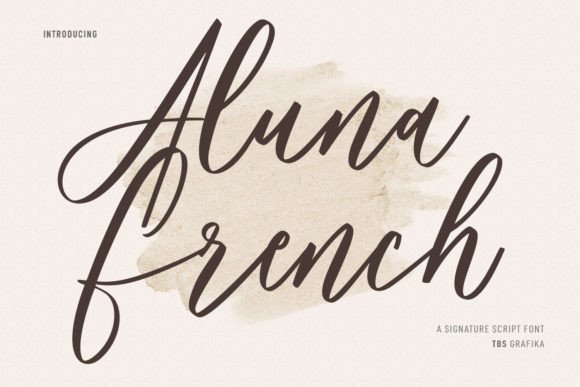
Aluna French immediately conveys a sense of warmth and personality. The fluidity of its strokes suggests a hand-drawn origin, which gives it an organic feel. It’s not overly ornate, but it has enough detail to feel unique. The letters have a natural rhythm, with subtle variations in thickness that mimic the movement of a pen on paper. This makes it ideal for projects that need a personal touch without sacrificing clarity.
The font has a soft, approachable mood—perfect for brands aiming to connect emotionally with their audience. It works well in contexts like wedding invitations, boutique packaging, or creative marketing materials. However, it’s not a one-size-fits-all solution. Its casual nature may not align with more formal or high-end brand identities.
Real-World Performance
In logo design, Aluna French can be a strong choice when paired with a clean, modern typeface. It adds a human element that can make a brand feel more relatable. However, it’s best used in smaller applications—like a tagline or a secondary mark—rather than as the primary logo font. When scaled up, it can lose some of its legibility, especially in large headlines.
For brand identity, Aluna French excels in supporting text, such as captions, subheadings, or callout boxes. It pairs well with serif or sans serif fonts, creating a balanced visual hierarchy. In editorial design, it can add a decorative flair to titles or pull quotes, provided it’s not overused. Its handwritten style works well in layouts that aim for a nostalgic or artisanal aesthetic.
In packaging design, Aluna French can elevate product labels and box art, especially for small businesses or niche brands. It adds a tactile quality that resonates with customers looking for something unique. However, it’s important to test it in different sizes and colors to ensure it remains readable and consistent across all touchpoints.
Where to Use It Carefully
Aluna French is not a font for large headlines. Its delicate structure can become messy when stretched, making it difficult to read at a glance. It’s better suited for short phrases, such as slogans, taglines, or social media captions. When used in longer text blocks, it can strain the eyes and reduce readability.
It also requires careful pairing with other fonts. While it can work with a variety of typefaces, it needs to be balanced with something more structured. A bold sans serif or a classic serif can provide contrast and prevent the design from feeling too chaotic. Avoid using it alongside other script or handwritten fonts, as this can create visual clutter.
In premium packaging or high-end branding, Aluna French may not convey the same level of sophistication as a more refined script. It’s better suited for casual or lifestyle brands rather than luxury or corporate identities. Similarly, in social media graphics, it can be effective for eye-catching posts, but it should be used sparingly to maintain clarity and impact.
Readability and Brand Consistency
Readability is a key concern with any display font, and Aluna French is no exception. At smaller sizes, it can become hard to decipher, especially in low-contrast settings. For this reason, it’s best to use it in larger sizes or as a decorative element rather than for body text. Testing it in black and white is essential to see how it holds up without color to enhance legibility.
Brand consistency is another factor to consider. If a brand relies on a strong, uniform visual identity, Aluna French may need to be used selectively. It can add character, but it shouldn’t overshadow the core elements of the design. Ensuring that it’s part of a cohesive font pairing will help maintain professionalism and recognition.
Audience trust and engagement are also influenced by typography. Aluna French can create a friendly, approachable vibe, which is great for certain audiences. However, it may not be the best choice for industries that require a more serious or technical tone. Understanding the target audience is crucial when deciding whether to use this font.
Practical Designer Notes
Before finalizing Aluna French for a project, I recommend testing it in real mockups. Seeing how it looks on different backgrounds, in various sizes, and alongside other design elements can reveal strengths and weaknesses that aren’t obvious on a screen. Pay attention to spacing and letterforms—some scripts can have inconsistent gaps that affect overall balance.
Compare Aluna French with other fonts to understand its place in the typographic landscape. How does it stack up against a traditional script font? Does it offer more versatility than a handwritten font? These comparisons can help determine if it’s the right fit for your design goals.
Finally, always confirm the commercial licensing before using Aluna French in client work or business projects. Many fonts have restrictions on usage, and failing to comply can lead to legal issues. As a designer, it’s your responsibility to ensure that your choices are both creative and ethical.
Conclusion
Aluna French is a versatile, expressive font that brings a human touch to design. It’s ideal for projects that benefit from a personal, artistic flair. However, it requires thoughtful application to avoid overuse or misplacement. When used correctly, it can enhance brand identity, add visual interest, and create a memorable impression.
For designers, Aluna French is a valuable addition to the toolkit—especially for those working on digital products, printable design, or creative fonts that need a unique voice. Just remember to test it thoroughly, pair it wisely, and respect its limitations. With care, it can become a powerful tool in your design arsenal.